Introduction
In today’s fast-paced world, privacy has become a major concern, even when it comes to simple phone calls. Many people want to connect without revealing their personal number, whether for personal reasons, business, or online transactions. This is where *67 comes in—a classic tool designed to hide your caller ID temporarily on iPhones, Androids, and landlines.
Although *67 has been around for decades, its effectiveness has evolved with modern telecommunications. Advanced networks, spam filters, and regulatory protocols like STIR/SHAKEN have changed how anonymous calls are handled. Many users now wonder: does *67 still work in 2026, and is it reliable for both U.S. and international calls?
This comprehensive guide explores everything you need to know about *what does 67 do on iPhone. You’ll learn how it works, step-by-step instructions, common limitations, real-life examples, and modern alternatives that offer stronger privacy and professional control over your calls.
This guide covers everything you need to know about *what does 67 do on iPhone, step-by-step instructions, real-world examples, limitations, and better alternatives.
What Exactly is *67?
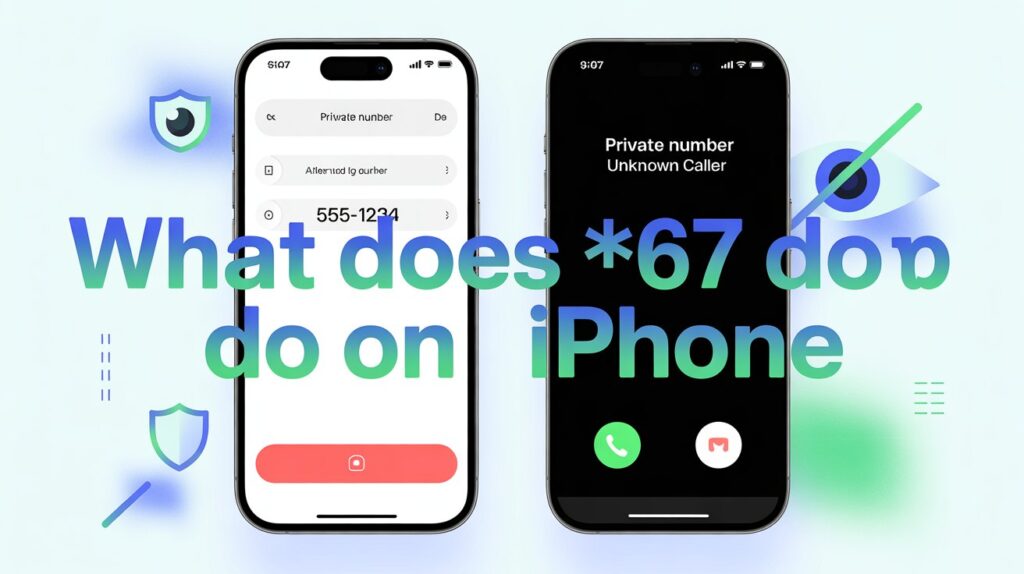
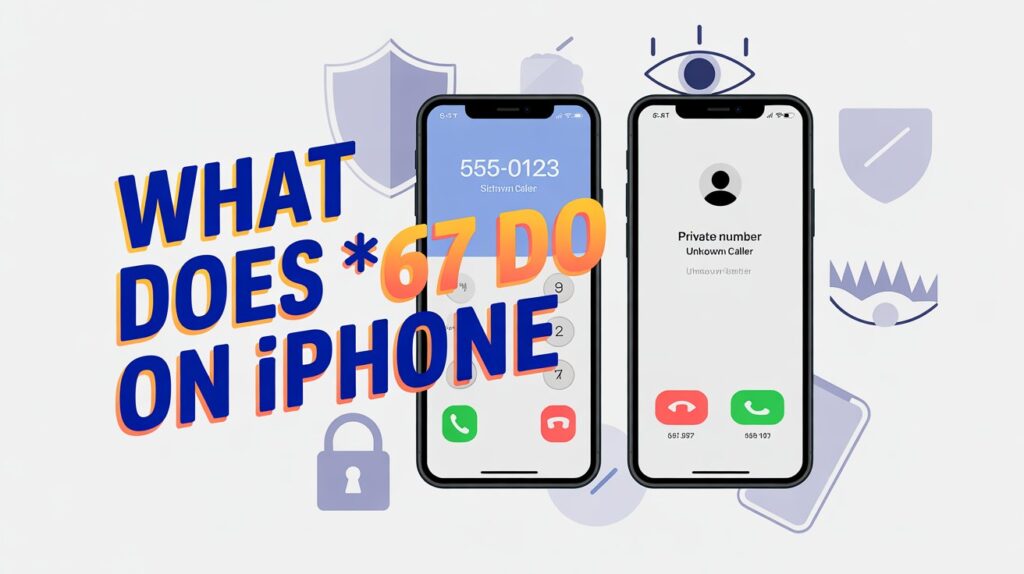
*67 is a Vertical Service Code (VSC)—a special sequence you dial to activate a temporary feature on your phone. Traditionally, it was introduced for landlines, allowing callers to hide their number for a single call.
When you dial *67 followed by a phone number:
- Your carrier marks the call as “private,” “anonymous,” or “restricted.”
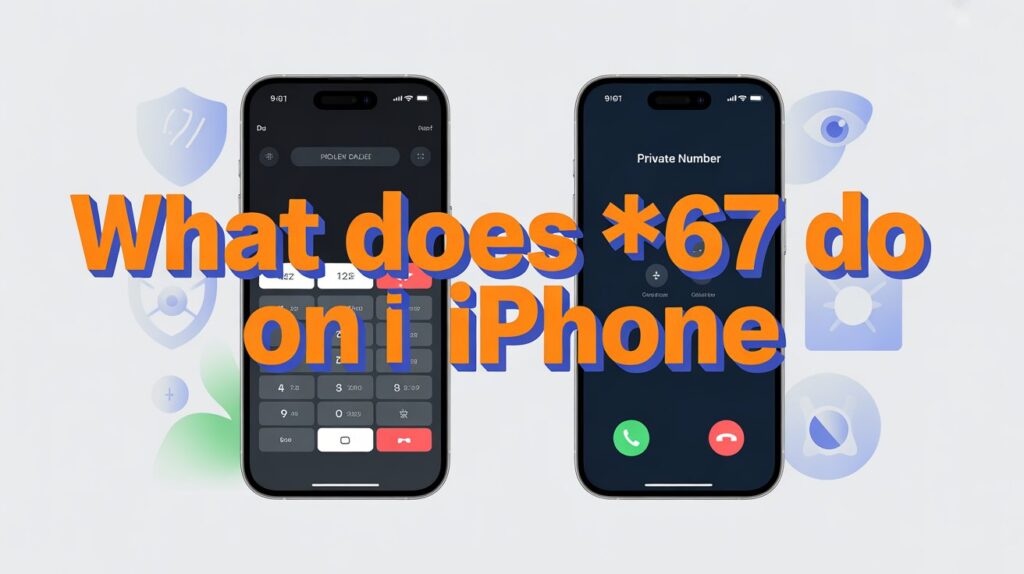
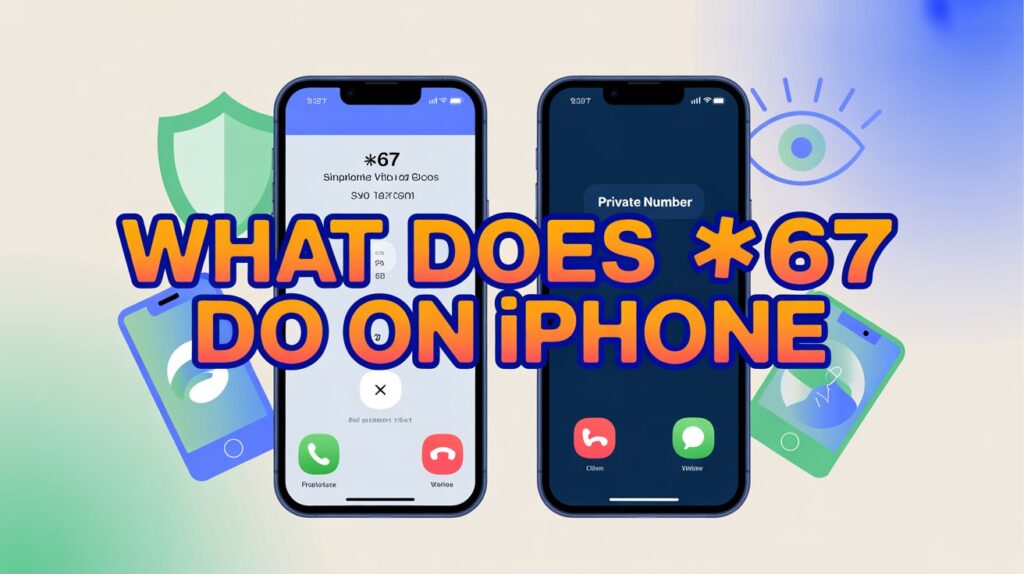
- The recipient sees “Private Number” instead of your phone number.
- It provides temporary anonymity—it only works for that specific call.
This was especially useful before smartphones had built-in privacy settings. Today, it still works on many devices, but with limitations due to modern networks, apps, and spam filters.
How *67 Works on iPhone
When you use *67 on an iPhone, your carrier temporarily blocks your Caller ID for that call. Here’s what happens:
- You dial
*67+ phone number. - Your carrier receives the signal and hides your number.
- The recipient sees “Private Number” or “Unknown Caller.”
Important Notes:
- Only works for traditional calls (not texts, iMessage, FaceTime, or WhatsApp).
- Carrier-dependent: Most major carriers still support it, but results can vary.
- International calls: You can use
*67 + country code + numberin many countries.
Step-by-Step Guide to Using *67
On iPhone
- Open the Phone app.
- Tap Keypad.
- Dial
*67followed by the full phone number (example:*67 212-555-7890). - Tap Call.
Tip: You can also hide your number permanently via Settings > Phone > Show My Caller ID.
On Android
- Open your Phone app.
- Go to Dialer / Keypad.
- Enter
*67+ phone number. - Press Call.
On Landlines
- Pick up the receiver and wait for a dial tone.
- Dial
*67. - Enter the phone number you want to call.
Does *67 Still Work in 2026?
Yes—but its effectiveness is not guaranteed. Several factors can affect whether your number is hidden:
- Carrier policies: Some carriers don’t support per-call hiding or may override it.
- Recipient’s settings: People may reject “Private” or “Anonymous” calls automatically.
- Network type: Toll-free numbers, businesses, and emergency services often ignore *67.
- Spam filters & STIR/SHAKEN protocols: Modern systems may block or flag anonymous calls.
Bottom line: *67 works for basic privacy, but it’s less reliable than it used to be.
Common Scenarios Where *67 Fails
- Calling toll-free numbers (800, 888, etc.): Carriers must transmit the number for billing purposes.
- Calling emergency services (911, 112, etc.): Your number and location are always sent.
- Business lines with advanced systems: Some CRMs and phone systems reveal your number.
- Recipients using anonymous call rejection: Calls may not go through.
- Carrier limitations or regional rules: Some countries have different privacy regulations.
Alternatives to *67 for Reliable Privacy
1. Built-in Smartphone Settings
- iPhone & Android allow you to hide your number permanently.
- Works for all outgoing calls.
- Limitations: Carrier-dependent and less flexible for selective calls.
2. VoIP Services (e.g., My Country Mobile)
- Use virtual numbers to manage caller ID.
- Can display a business number, hide ID, or show a generic name.
- Offers advanced features: call forwarding, voicemail-to-email, analytics.
- Works for international calls and professional use.
3. Burner Phone Apps
- Temporary numbers for calls and texts.
- Great for short-term privacy needs.
- Limitations: Subscription-based, numbers may be recycled.
4. Google Voice
- Free virtual number for calls, texts, and voicemail.
- Can mask your personal number.
- Limitations: Region-restricted, less professional features for business.
5. Carrier-Specific Privacy Tools
- Premium blocking or anonymous call services from your carrier.
- Limitations: Extra cost, less flexible than VoIP solutions.
Real-Life Examples of Using *67
- Personal: Call a friend from a shared phone without showing your number.
- Business: Contact clients while keeping your personal number private.
- Online Sales: Contact buyers on Instagram or Snapchat safely.
- One-Time Contact: Call a service hotline without wanting a callback.
Legal Considerations
- Legal to block your ID: Yes, as long as it’s for privacy, not fraud or harassment.
- Illegal use: Using *67 to scam, harass, or commit fraud is against the law.
Comparing *67 With Modern Solutions
| Feature | *67 | Smartphone Settings | VoIP / Virtual Numbers | Burner Apps | Google Voice |
|---|---|---|---|---|---|
| Primary Function | Per-call ID block | All-call ID block | Manage multiple numbers & caller ID | Temporary numbers | Secondary number & masking |
| Effectiveness | Low to medium | Medium | High | Medium | Medium |
| Cost | Free | Free | Subscription | Subscription | Free |
| Ease of Use | Simple prefix | Toggle in settings | Dashboard / app | App | App / Web |
| Best For | Occasional privacy | All calls | Professional / business | Short-term use | Personal secondary number |
Future of Call Privacy
- AI & spam filtering: Calls from “Private” numbers may be flagged more often.
- Increased demand for privacy: More people want flexible call management.
- Regulation: Laws like STIR/SHAKEN help verify calls but may affect anonymous calls.
- Professional solutions: VoIP and virtual numbers offer more predictable privacy than *67.
Frequently Asked Questions
1. Is using 67 free?
Yes, it is usually free on most carriers.
2. Can calls made with 67 be traced?
Yes, carriers can still trace the call if necessary.
3. Does 67 work internationally?
Often yes, but some countries may not support it.
4.Are there better alternatives for business calls?
Yes, VoIP, virtual numbers, and My Country Mobile offer professional privacy features.
5.How do I hide my number permanently?
Enable Show My Caller ID in your iPhone or Android settings.
Conclusion
*67 on iPhone remains a quick and easy way to hide your caller ID for individual calls. It is free, simple to use, and works in most situations, making it suitable for personal or casual privacy needs. However, its effectiveness can vary depending on carriers, networks, and recipient settings, so it’s not always 100% reliable.
For those seeking more consistent privacy or professional call management, modern alternatives like VoIP services, virtual numbers, and smartphone settings provide far greater control. These solutions allow you to manage multiple numbers, customize how your caller ID appears, and maintain privacy across both domestic and international calls, something *67 cannot guarantee.
Ultimately, choosing the right method depends on your needs. If you just need temporary anonymity, *67 is still handy. But for businesses, freelancers, or anyone serious about call privacy, investing in modern solutions ensures your calls remain private, professional, and reliable. By understanding both options, you can protect your number while communicating effectively.